
High-Risk Hair Color Safety: Integrity-First Guide to When to Refuse Service
Picture this: a client strides into your salon, eyes sparkling with visions of platinum blonde ambition, but her hair snaps like overcooked spaghetti at the slightest tug. You mix the color, apply it, and hours later, face a meltdown of breakage and regret. Sound familiar? In the high-stakes world of hair coloring, these moments aren't just mishaps—they're preventable with high-risk hair color safety at the forefront.
As professional colorists, salon owners, and cosmetology students, your integrity isn't just a buzzword; it's your shield. An integrity-first approach to color integrity decision making means recognizing when to say no. Not out of fear, but fierce protection—for the client, your reputation, and the craft. This guide arms you with the tools to spot high-risk material, decode red flags, and master when to refuse color service.
The Hair Color Consultation: Your First Line of Defense
Every service starts here, in the quiet ritual of the consultation. It's where intuition meets interrogation, turning potential disasters into empowered no's. Dive deep: history of scalp conditions, allergic reactions, chemical exposures. Feel the strands between your fingers—does it stretch or shatter?
Elasticity Red Flags: The Snap Test
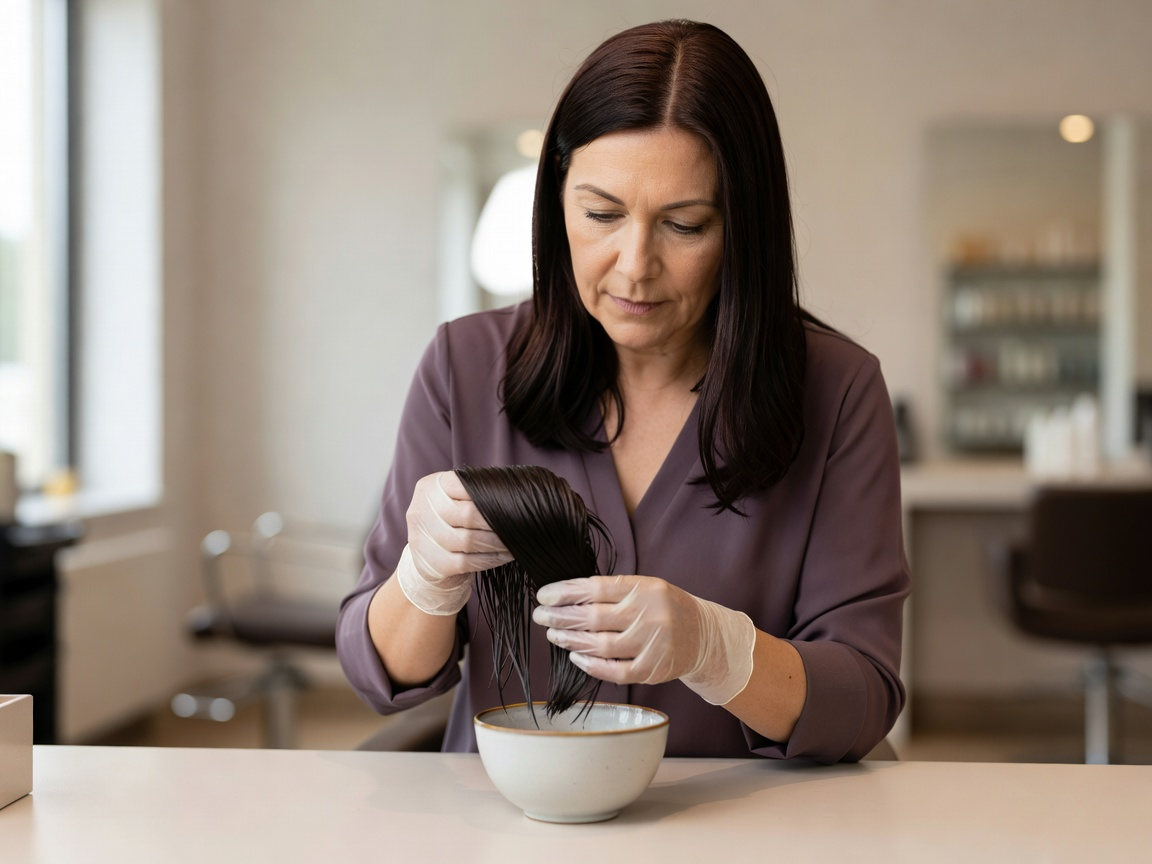
High-risk material screams through elasticity. Healthy hair stretches 30-50% before rebounding; compromised strands elongate like taffy then snap. Perform the simple wet elasticity test: dampen a section, gently pull. If it doesn't spring back, that's your cue. Porous cuticles from over-processing absorb color unevenly, leading to swelling, breakage, and uneven results. Integrity-first demands you pause.
Scalp History and Allergic Concerns
Scalp tales tell all. Psoriasis, eczema, recent injuries? Direct them to a medical professional—never diagnose. Allergic reaction history? PPD sensitivity in permanent colors is a ticking bomb. Recent relaxers, keratin treatments, or bleach bombs amplify risks. These aren't judgments; they're safeguards in professional color safety.
When to Refuse Color Service: Non-Negotiable Boundaries
Saying no feels counterintuitive in a yes-driven industry, but it's the hallmark of mastery. Refuse when:
- Hair shows severe breakage or elasticity below 20%—high-risk material won't hold color.
- Scalp displays open wounds, infections, or unexplained irritation—refer out immediately.
- Client history flags multiple allergies or adverse reactions to similar products.
- Overlapping services loom: less than 6 weeks post-perm, relaxer, or keratin.
- No time for mandatory strand and patch tests, or manufacturer directions can't be followed precisely.
These aren't arbitrary lines; they're etched from real-world fallout. Refusal protects everyone, paving the way for future trust.
Protocols That Anchor Professional Color Safety
When risks hover but don't demand full refusal, lean on protocols. Always strand test on high-risk material: apply, process, rinse, style. Check at 75% of recommended time. Patch test 48 hours prior for allergies—back of the neck, underarm, pristine skin.
Heed manufacturer directions like gospel; deviations invite chaos. Mid-service? Eyes sharp for swelling, heat, or tenderness. Stop immediately, rinse thoroughly, document everything. Photos, notes, client signatures—your paper trail.
Integrity-first isn't optional; it's the thread binding client loyalty to your legacy.
From Refusal to Referral: Building Trust
Refusal isn't rejection—it's redirection. "Your hair needs TLC first; let's nurture it back." Recommend Olaplex treatments, trims, or medical consults. Document the consult, refusal rationale, and referral plan. Follow up; turn no into a yes later.
Join the conversation at Color Me with Shawna consultations or our community forums. Share your integrity-first stories—elevate the profession together.
The Long Game of High-Risk Hair Color Safety
In the mirror of every decision lies your future. Choose color integrity decision making over quick cash, and watch your salon thrive on referrals born of respect. High-risk hair color safety isn't a checklist; it's a commitment. Clients remember the colorist who protected them—and they'll return, wiser, ready.
Step forward with authority. Your hands heal; wield them wisely.