
Review status: This lesson is not presented as reviewed, approved, or endorsed by Shawna. Educational review status is managed separately and shown in The Color Corner library when established.
Color considerations for curly and coily hair
Porosity patterns, curl visibility, and placement choices that honor texture. Create dimension that celebrates the natural pattern instead of fighting it.
- Time
- 30 min
- Level
- Intermediate
- Context
- The Color Corner
- Review date
- July 2026
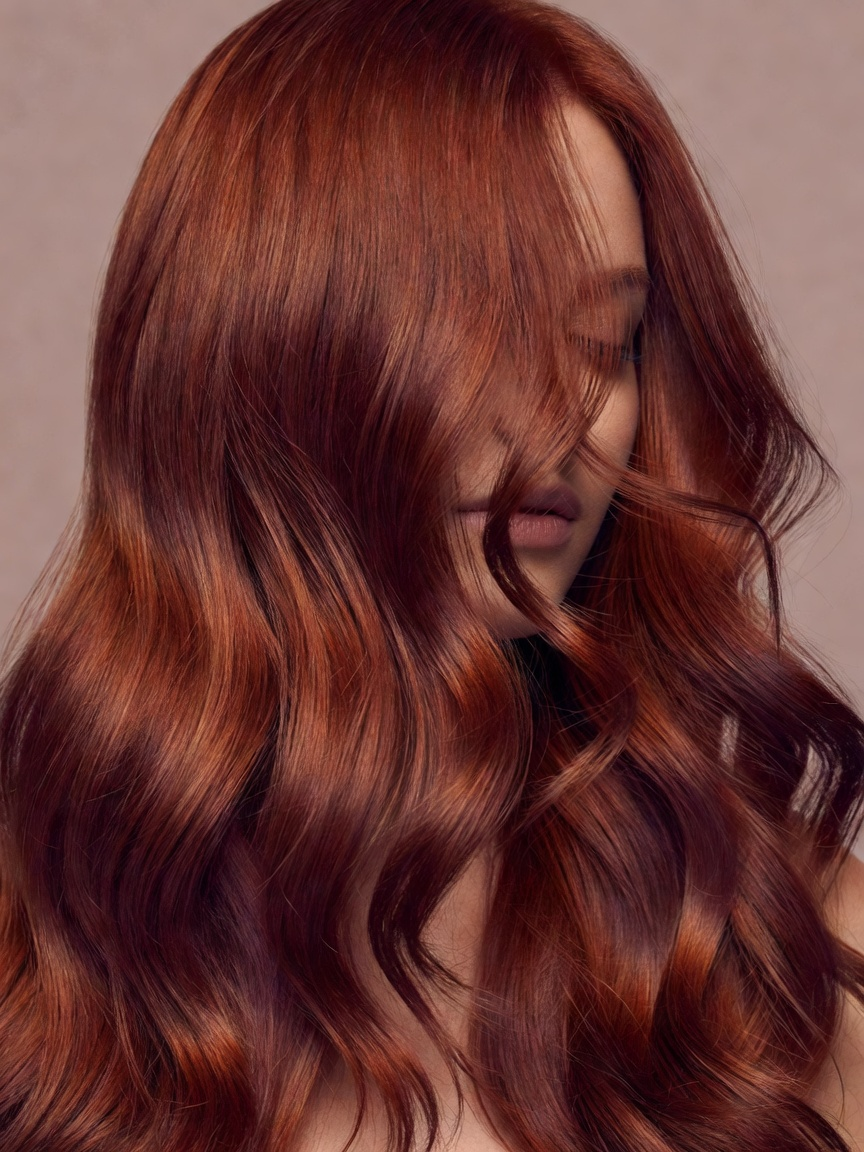
Lesson visual inside Color Me with Shawna
What you will learn
- Assess porosity, density, and shrinkage pattern before planning any placement — curl pattern first, color second
- Choose light and dimension placement that celebrates curl pattern rather than fighting it or hiding under it
- Adjust saturation and timing for textured hair integrity that already carries manipulation history
- Communicate maintenance that honors curl care routines clients already love, not replacing them
Materials
- Moisture assessment checklist that includes current wash frequency, not just visual cues
- Texture mapping worksheet with curl pattern zones — crown, sides, nape often differ significantly
- Wide-tooth comb and clips that do not compress curl when sectioned — do not stretch to straighten to section
- Low-lather cleansing reference for post-service wash that respects existing routine
- Leave-in and curl cream notes specific to this client rather than generic brand suggestion — build on what she already trusts
Safety note — preserved
Textured-hair approach that centers moisture, porosity, curl-pattern respect, and existing care routine honor. Always assess integrity throughout and adjust or stop when elasticity or texture changes signal stress. Zones that behave differently are treated differently — no averaging. When curl appears straighter after rinsing, pause and assess with client.
Step-by-step — The Color Corner · Color Me with Shawna
See the curl before you see the color — map where it clumps, separates, shrinks differently
Stretch a few curls gently and release, observing return. Where does this hair naturally clump into families? Where does it separate into smaller groups? How much does shrinkage differ between crown and nape — often 30-50% variation same head? Curly and coily hair reveals dimension differently because curls stack and hide color that sits completely underneath, especially tight patterns. Shawna maps curl pattern zones before any color discussion — crown may be looser than sides, nape may have more porosity from friction and scarf wear, underneath may have entirely different density. Document patterns with notes and photos with consent — same light, same distance, showing natural fall. This mapping determines whether high-impact placement makes sense or whether organic painted placement that follows clumping respects the texture better. Great textured hair education centers this mapping first, not as afterthought. Why this matters: Dimension placed without curl mapping is dimension hidden. Where curls clump changes where brightness is visible down — map clumps first. Shawna's note: Early in my career I placed too much light underneath tight curls because dimensional teaching was demonstrated on straighter patterns where underneath shows when moving. My mentor asked me to look at how the client actually wore her hair down, not how clean the pattern looked standing behind the chair. That question changed my approach permanently.
Porosity patterns relate to curl pattern and lived experience, not just chemical history
Ends on textured hair experience more manipulation, more friction from protective styling removal, and longer time since last cut because many clients stretch cut cadence. Even without previous chemical history, they may be more porous than growth. Mid-lengths may carry dryness from infrequent cleansing, heavy product use, or regular diffusing. Use a porosity assessment that involves touch and wet stretch with consistent moisture levels, not just visual cues that misread texture as damage. Ask explicitly about current wash routine, product families used — heavy butters vs light conditioners — whether hair is regularly worn stretched or in natural state, and how often. This information changes saturation and timing decisions more than product choice. Traditional curricula under-serve this integration of curl pattern analysis and color decision-making, treating textured hair as special topic rather than core competency. This lesson centers integration as baseline. Why this matters: Porosity on textured hair connects to manipulation history as well as chemical history. Two clients at same level with different manipulation patterns need different timing, even with same product. Shawna's note: Do your elasticity assessment after a gentle cleanse that removes heavy buildup so you are assessing hair, not product sitting on it. Use consistent moisture so stretch comparison is valid zone to zone.
Placement choices that celebrate rather than fight texture — follow where light hits down
When curls are tight, dimension hidden entirely underneath is rarely seen in real life — it hides inside clumps and disappears when dry. Consider distribution through surface layers where movement highlights it, rather than uniform layers. When curls are looser, deeper pockets create interest when hair moves and clumps separate. For very coily patterns, consider whether lifting followed by textured cutting creates dimension amplified by shape — light catching high points of longer curls — rather than relying on high-contrast lift that fights shrinkage. Shawna frequently places lighter notes where curls naturally lift away from the head — crown, above ears, around the face — so brightness follows how light naturally hits textured hair when worn down, not where foils are easiest to place standing behind chair. This light-follows-form approach comes from Beth Minardi's art-as-anatomy teaching: place color where light already wants to sit. Why this matters: Clients with textured hair have been told for years their texture complicates color. Your placement reframes it: texture reveals color differently and beautifully when placement respects clump pattern rather than ignoring it. Shawna's note: Bring client to secondary mirror after mapping and ask her to shake her head gently. Watch where curls separate — those separation points are windows where dimension peeks. Place some brightness near those windows.
Integrity protocols specific to textured hair — elasticity, moisture, honest sequencing
Textured hair may already have compromised elasticity from manipulation, regular heat for stretching, or protective styling tension rather than chemicals — strand testing needs extra attention and specific handling. Test after gentle cleanse that removes heavy product without stripping, using consistent moisture levels so zone comparison is valid. Use enough sections to capture difference between crown, sides, and nape that often behave as three different heads. During processing, monitor specifically for dryness and texture change — if curls look straighter after rinsing than before processing, that signals moisture or integrity stress that needs immediate attention and aftercare revision, not just product recommendation. Document and provide moisture-focused aftercare specific to curl care that builds on what she already loves and is actually willing to do. Ask explicitly: what do you already use and love? What are you not willing to change? Build on her existing routine rather than replacing it entirely with entirely new system she will abandon. What separates great colorists from good ones here is not knowledge of curl type charts. It is ability to honor existing care practices while safely lightening. Why this matters: Generic color-safe shampoo suggestion erases the curl routine work she has done for years. When you build on her routine rather than replacing it, retention doubles and trust does too. Shawna's note: If elasticity differs zone to zone — often it does on textured hair — treat those zones as different clients with different timing and saturation. Do not average them to one approach.
Shape and color are one conversation, not two sequential arguments
Cut and color decisions intertwine differently on textured hair because shrinkage changes everything visible. Lifting before cutting may change shrinkage patterns unpredictably. Cutting before lightening may change where dimension falls because length changed clump pattern. Both are valid — the error is not choosing one sequencing, it is not discussing sequencing at all. If you cut and color same day, discuss specifics with client using concrete language: if we cut to this length first, brightness will sit slightly higher because curl will spring up. If we color first then cut, we can preserve more natural pattern but lose some planning specificity. Shawna often books color and curl shaping as two connected appointments within a week rather than one long appointment that exhausts hair and scalp and patience. The best dimensional color on textured hair often looks effortless because shape and color were planned together weeks ago, not sequentially without coordination day of. Tracey Cunningham always shows dimension on styled hair that moves — that movement is haircut plus color, never color alone. Why this matters: Clients with textured hair have experienced shape and color treated as separate services that conflict mid-service. Integrating them conceptually before physically is your professionalism showing. Shawna's note: When in doubt, sequence longer appointment first week and shorter second week a few days later rather than single marathon day. Hair, scalp, and human need breaks. Your best work happens within human limits.
Key takeaways
- Map curl pattern, clump behavior, shrinkage differential, and density before planning placement anywhere. Where curls clump changes where dimension is visible down.
- Porosity on textured hair connects to manipulation history, product buildup, and friction experience as well as chemical history. Ask about wash and styling routines explicitly.
- Place dimension where light naturally hits textured hair when worn down and where clumps separate — not where foils are easiest behind chair.
- Consider color and shape as one integrated plan with sequencing discussed honestly. Build on existing curl care routine rather than replacing it.
Professional note · Review status not established
Early in her career Shawna placed too much light underneath tight curls because dimensional teaching was demonstrated on straighter patterns where underneath peeked in movement. Her mentor asked her to look at how client actually wore hair down, not how clean foil pattern looked standing behind chair. She had been placing color to look good from her position, not the client's reality. That question changed her textured hair approach permanently. Great color on textured hair comes from seeing the person first, then texture, then color — in that order. What separates great colorists from good ones here is ability to place a mirror in secondary location where you see hair falling naturally, not just stretched for your convenience, and to ask the client: where do you see brightness when you shake your head? Her answer is more accurate than any placement chart. Keep your texture maps. They teach you what hands should feel on your best days so you can feel it on average days too.